
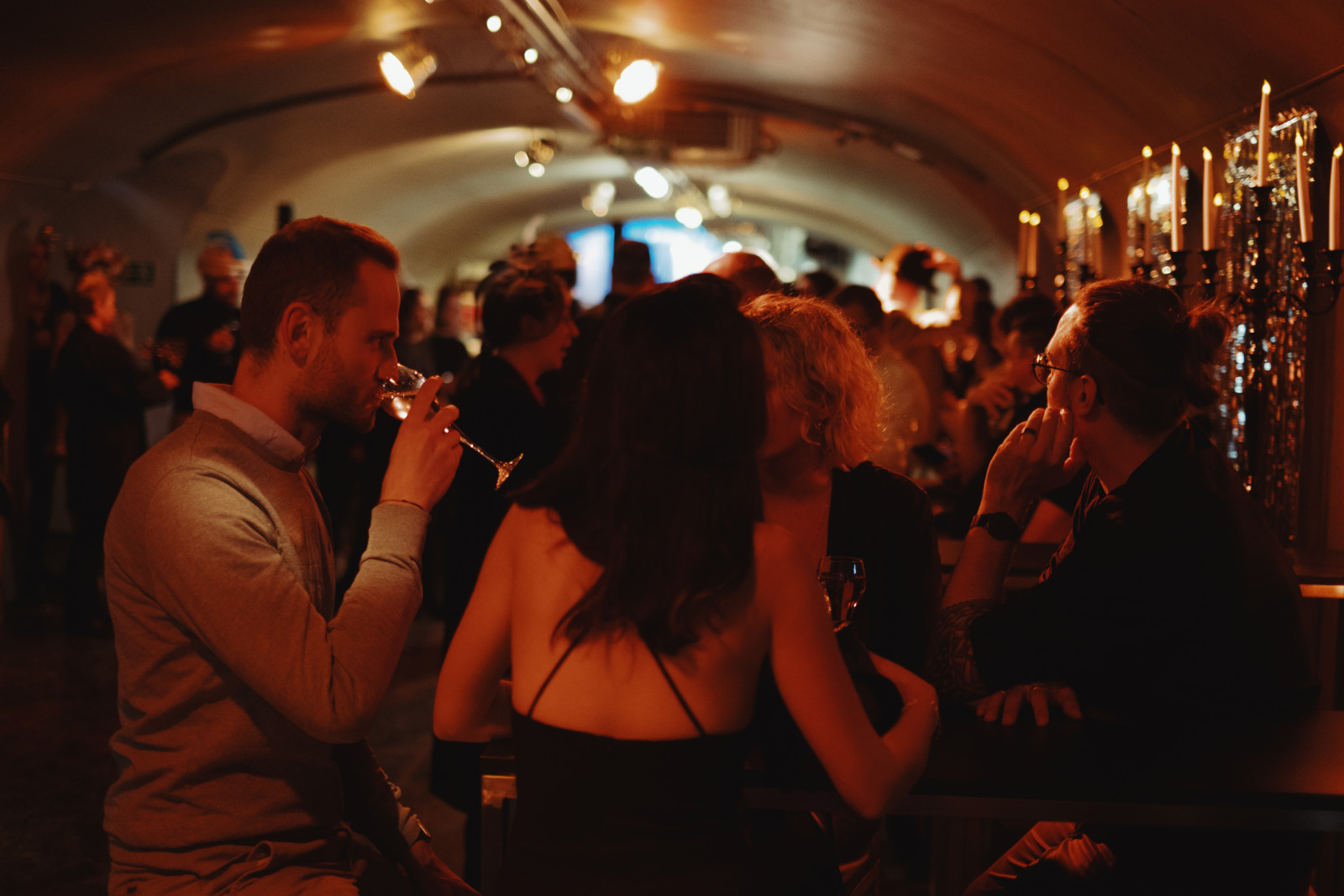
The Art of Hosting
Hospitality often shows itself in the smallest moments.
It's not only about the table, the food or the room. It's about how guests are welcomed, how naturally a conversation begins, whether someone notices an empty glass — and how effortless an evening feels.
The best hosting rarely looks staged — even when a great deal of attention and thought went into it.
Presence over performance
Good hosts don't dominate a gathering. They create the conditions for other people to feel at ease.
That means understanding the rhythm of a room: knowing when people should be connected, when to step in, when to step back — and when an evening needs a small shift in pace.
Service should be attentive without becoming visible everywhere. The goal isn't to demonstrate hospitality, but to make it felt.
Details shape the atmosphere
Small decisions have a large effect.
Where a guest sits. How quickly the first drink arrives. The volume of the music. The temperature in the room. The distance between tables. The moment dinner begins.
On their own, these details might seem insignificant. Together, they decide whether a gathering feels relaxed or formal, intimate or anonymous, effortless or overproduced.
Ultimately, hosting means coordinating all of these details around people.
Create space for connection
The most memorable gatherings leave enough room for the unexpected.
Not every moment needs programming. Not every transition needs an announcement. People need time to talk, to move, to discover the space and to let their own experience unfold within it.
A host's task is to provide structure without letting that structure feel restrictive.
That balance is exactly what turns an event into hospitality: a deliberately designed environment in which people can simply be present.
Hospitality should feel human
Technology, production and precision all play a role. But they should never overshadow the human experience.
At its best, hosting feels personal, generous and intuitive.
People may not remember the exact menu or the running order of the evening. What stays is the feeling of having been welcomed, looked after and truly seen.
And that is what good hospitality is about.
„The best hosting rarely looks staged – even when every detail was carefully considered.“